How to Properly Use Corded Strap for Maximum Efficiency and Safety
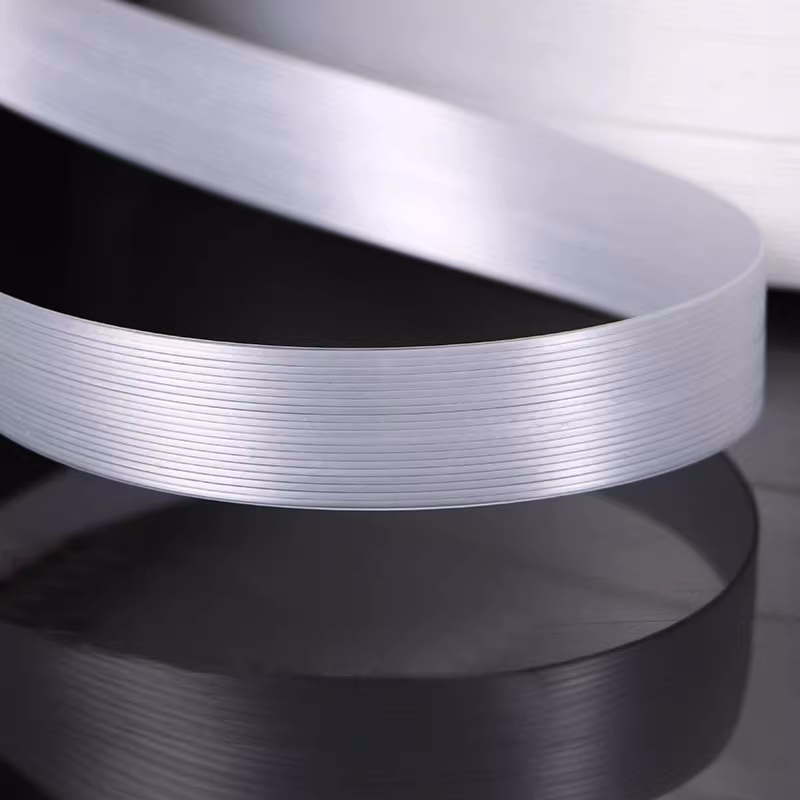
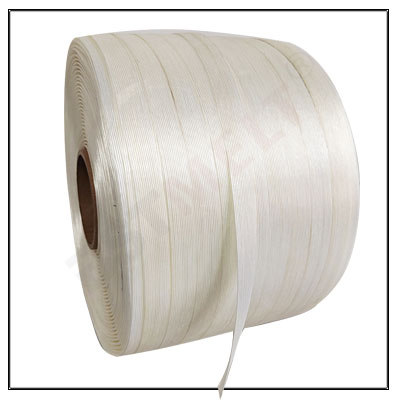
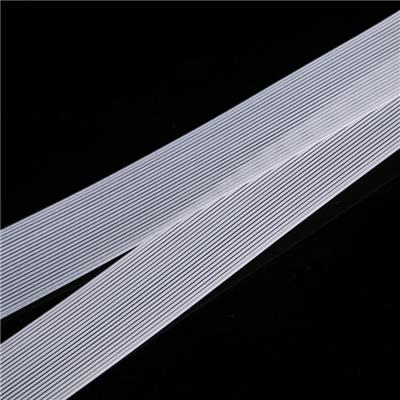
Corded strap, also known as composite strapping, is widely used across various industries for securing heavy loads during storage and transportation. Made from high-strength polyester fibers, it offers a combination of flexibility, durability, and reliability. However, to ensure optimal performance and safety, it is essential to use corded strap correctly. This guide will walk you through the best practices for using corded strap efficiently and safely in industrial applications.
1. Understanding Corded Strap: Features and Benefits
Before diving into the usage guidelines, it is important to understand why corded strap is a preferred choice over traditional strapping materials like steel or polypropylene.
- High Tensile Strength: Corded strap can withstand significant tension, making it ideal for securing heavy and bulky loads.
- Shock Absorption: Unlike steel strapping, corded strap can absorb impacts and sudden movements, reducing the risk of load shifts.
- Weather and Chemical Resistance: It does not rust or weaken in harsh weather conditions, making it suitable for outdoor use.
- Safety: Corded strap has no sharp edges, reducing the risk of injuries during application and removal.
- Cost-Effective: Compared to steel strapping, it is lighter, easier to handle, and requires less expensive tools.
2. Selecting the Right Corded Strap for Your Needs
To maximize efficiency and safety, choosing the appropriate corded strap for your specific application is crucial. Consider the following factors:
- Load Weight and Type: Determine the weight and nature of your cargo to select a strap with the appropriate tensile strength.
- Environmental Conditions: If your load will be exposed to extreme temperatures, humidity, or chemicals, ensure the strap has the necessary resistance properties.
- Application Method: Consider whether you need a hand-tensioned or machine-assisted application for efficiency and convenience.
3. Proper Tools and Accessories for Corded Strap
Using the right tools enhances the effectiveness and safety of corded strap application. Essential tools include:
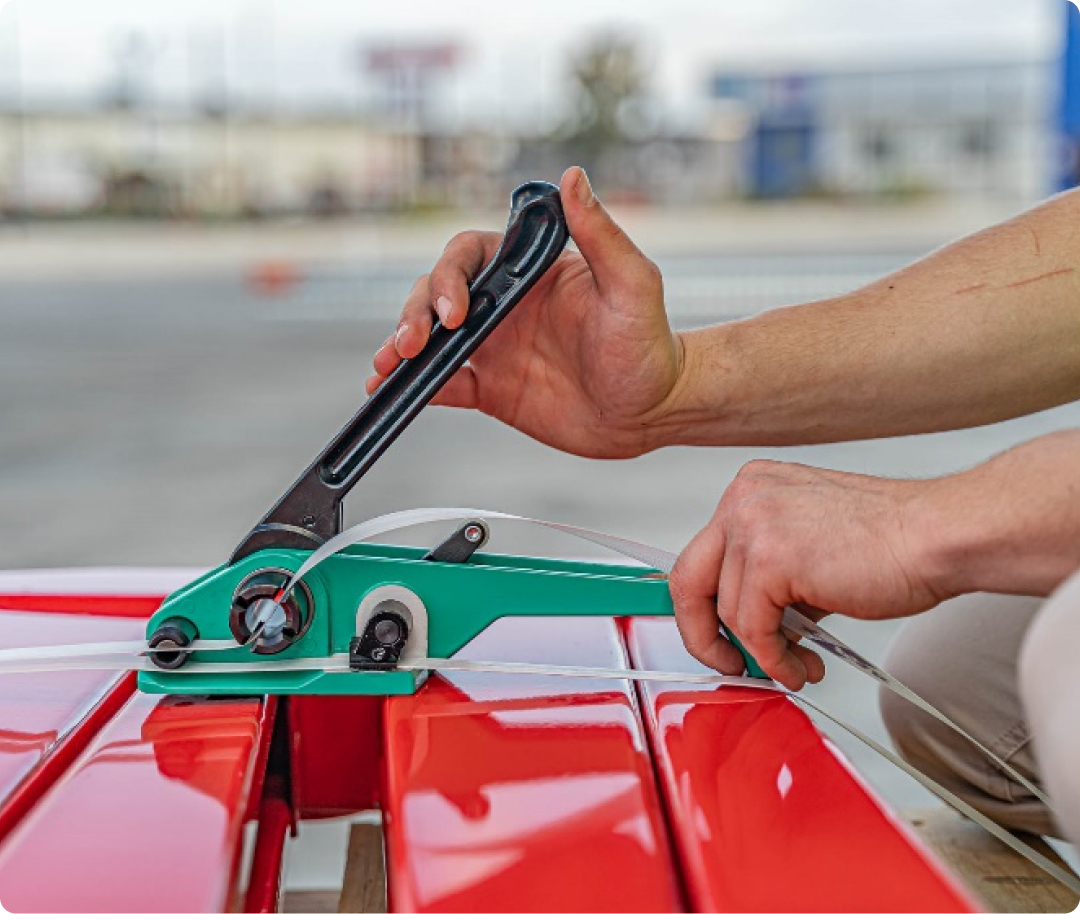
- Tensioner: Helps apply the right amount of tension to the strap, ensuring a firm grip on the load.
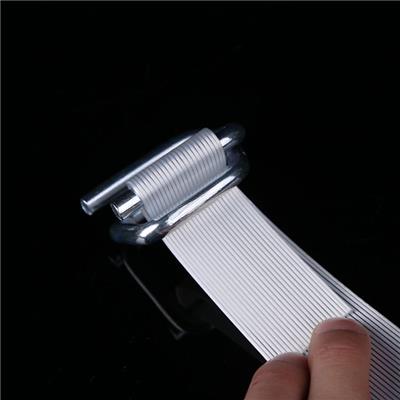
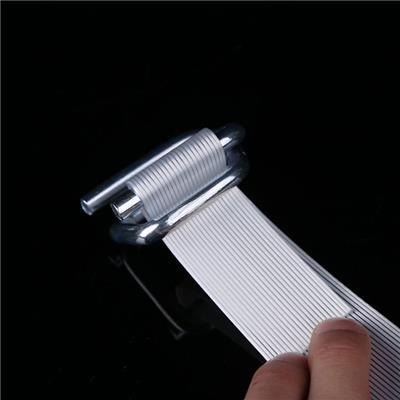
- Seals and Buckles: Used to secure the strap in place. Buckles allow for re-tensioning if needed.
- Cutting Tools: Heavy-duty scissors or strap cutters ensure clean and safe cutting.
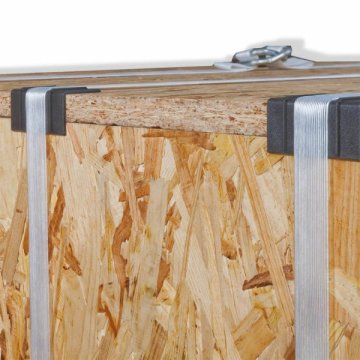
- Protective Edge Guards: Prevents strap damage and ensures even pressure distribution on delicate or sharp-edged loads.
4. Step-by-Step Guide to Using Corded Strap
To use corded strap efficiently and safely, follow these steps:
Step 1: Preparing the Load
- Ensure the load is properly stacked and stable before applying the strap.
- If needed, use pallets or support structures to prevent shifting during transportation.
Step 2: Positioning the Strap
- Wrap the corded strap around the load, making sure it covers all sides evenly.
- Adjust the strap to ensure it sits securely and does not slip during tensioning.
Step 3: Applying Tension
- Use a tensioner tool to pull the strap tight.
- Apply even tension to prevent damage to the load while ensuring a secure hold.
Step 4: Securing the Strap with a Buckle
- Thread the strap through a metal or plastic buckle.
- Tighten the strap using the tensioner while holding the buckle in place.
- For added security, some applications may require additional seals.
Step 5: Cutting the Excess Strap
- Once the strap is secured, cut the excess length using a proper cutting tool.
- Avoid leaving long ends hanging, as they can pose a safety hazard.
Step 6: Final Inspection
- Check that the strap is tightly secured and evenly applied.
- Ensure there are no loose ends or weak points that could compromise the load’s stability.
5. Safety Guidelines for Using Corded Strap
To prevent accidents and injuries, follow these safety guidelines:
- Wear Protective Gear: Use gloves and safety glasses to protect against accidental cuts or flying debris.
- Avoid Over-Tensioning: Excessive tension can damage both the strap and the cargo.
- Store Straps Properly: Keep unused straps in a dry and cool place to prevent degradation.
- Use Approved Tools: Always use industry-approved tensioners, buckles, and cutters to ensure safe application.
- Dispose of Used Straps Responsibly: If the strap is no longer usable, recycle it properly to minimize environmental impact.
6. Common Mistakes to Avoid
Avoiding common mistakes ensures the longevity and effectiveness of your corded strap applications:
- Using the Wrong Strap Strength: Choosing a strap with insufficient tensile strength can lead to load failure.
- Improper Buckle Application: Not securing the buckle correctly can result in the strap loosening over time.
- Neglecting Load Distribution: Uneven tension can cause instability and increase the risk of cargo damage.
- Cutting the Strap Too Short: Always leave enough length for a secure grip in the buckle.
7. Best Practices for Reusability and Cost Savings
While corded straps are designed for durability, some types can be reused multiple times, depending on the application:
- Inspect the Strap Before Reuse: Check for fraying or weakening before using it again.
- Use Adjustable Buckles: Buckles that allow re-tensioning can extend the strap’s lifespan.
- Store Used Straps Properly: Keep them organized and free from excessive moisture or sunlight exposure.
Conclusion
Corded strap is a versatile and reliable solution for securing loads in industrial packaging and shipping. By understanding its benefits, choosing the right strap, and following proper usage techniques, businesses can enhance efficiency and ensure safety in load securing applications. Following best practices, using appropriate tools, and adhering to safety guidelines will help maximize the performance and longevity of corded straps, making them a cost-effective and practical solution for various industries.